All Categories
Featured
Table of Contents
Source: Let loose is a cloud-based option that lets you track stock in real-time across multiple places. You can set minimum and optimal stock levels and receive sales alerts informing you which orders require to be fulfilled. You can establish batch and serial number tracking, and there's a mobile app for Android and iOS.
Automating Your Way to a More Profitable Back Office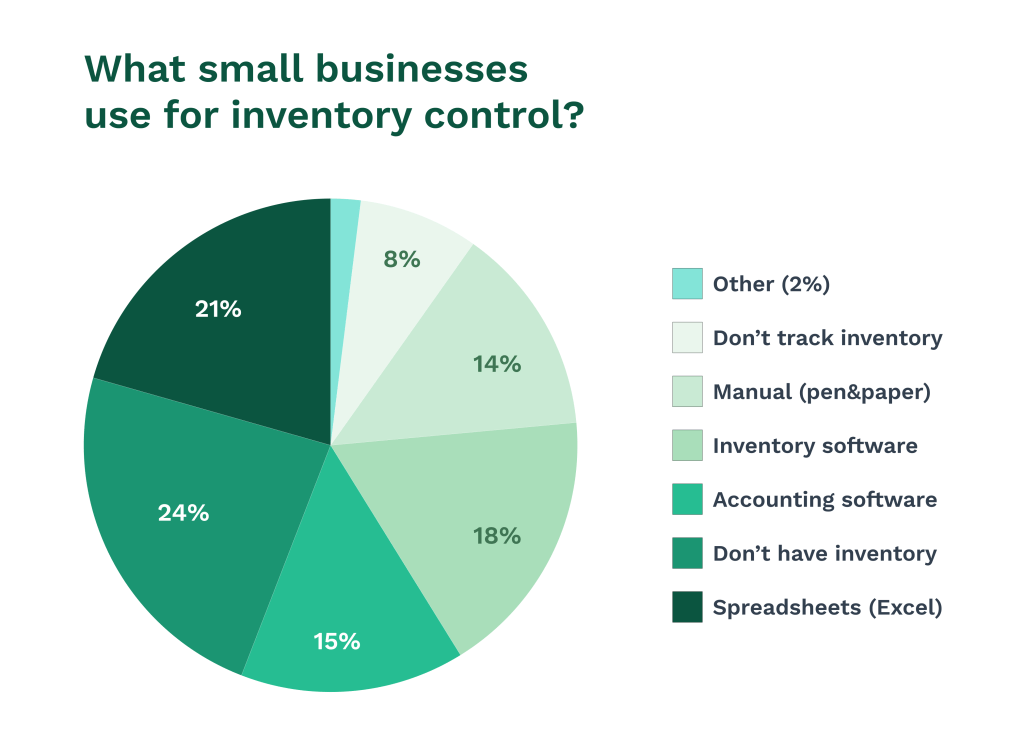
There's no innovative reporting, incorporated stock preparation, flexible satisfaction workflows, or POS or WMS ability. Another downside is that you can just use the typical landed costs methodology, not FIFO/LIFO. Several functions are paywalled, such as modules for B2B e-commerce, organization intelligence, and shipping. You also pay additional for a consumer success strategy (that's consisted of with Brightpearl) and compulsory remote onboarding packages.
If you're searching for all the functions of an innovative inventory management system, Brightpearl provides you whatever you need. Thanks to the excellent integration partner ecosystem and APIs, you can develop a tech stack that scales as you grow. As total exposure and precise forecasts, Brightpearl automates intricate order processing and satisfaction workflows to save you time and money.
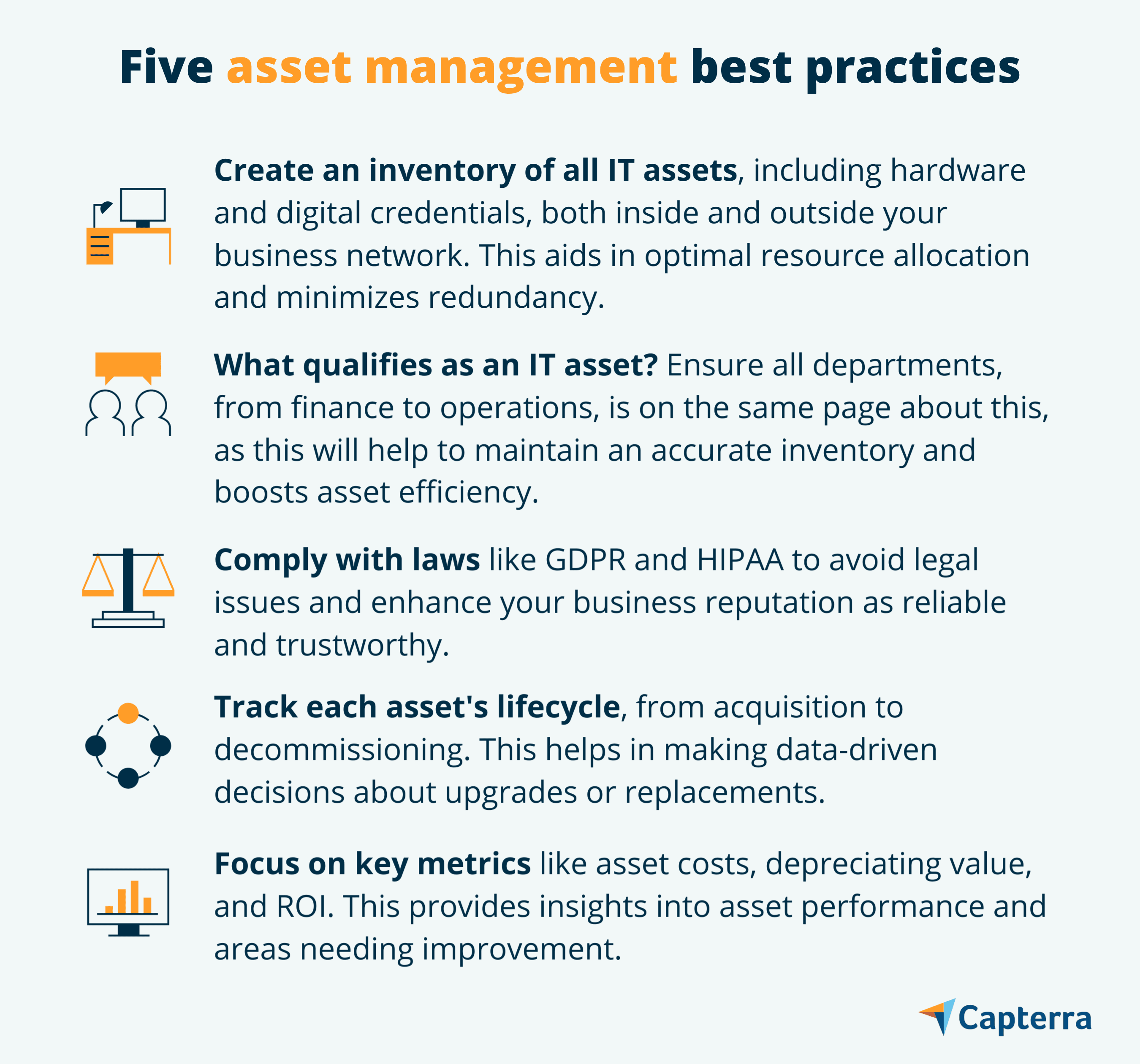
They'll guarantee that you and your personnel are totally trained before your account goes live, and you likewise get a Consumer Success Manager plus unrestricted phone and e-mail assistance as requirement. The objective of stock management is to make sure there's sufficient stock to meet need while keeping overheads and labor costs low.
Reliable stock management offers you improved forecasting capabilities and provider relationships, and assists you optimize warehouses to lower spoilage. Stock software is important for great stock management, so utilize the tools of stock management to your advantage! Instead of spreadsheets, buy a cloud-based system (like Brightpearl) that keeps all your information in a main hub, synchronizes your channels, and updates stock levels automatically.
Improving Sustainability through Operational Automation
Stock management includes keeping track of your stock as it moves through your business. It's vital that you can trace any product at any provided time, numerous services use barcode or RFID scanning to get in SKUs into the system. It should then update whenever products are offered, shipped, or returned.
That method, you'll constantly have the right quantity of stock in the right location at the best timewhich will keep clients pleased and enhance your bottom line. Use automation, keep accurate records, do regular cycle counts, projection demand, and develop strong provider relationships.
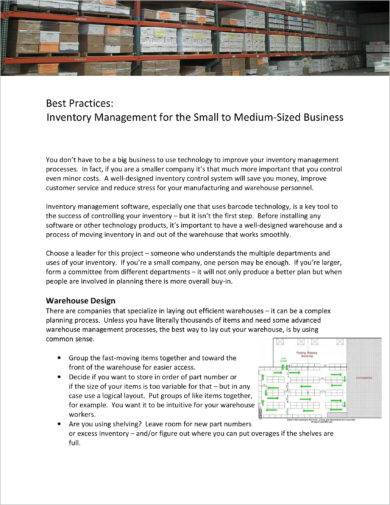
Inventory can consist of basic materials, elements, and ended up products all set for sale. Inventory management is the procedure of handling and monitoring this stock in the most effective method possible so that you always have the ideal quantity in the right place at the correct time. It has to do with knowing how much is needed and when to buy it, and keeping an eye on everything across several places and sales channels.
When purchasing brand-new stock for your storage facility, you need to aim to buy the financial order quantity (EOQ). Technically, the meaning of stock management covers the duration between stock getting here from a supplier and being shipped to a customerthat is, the time when it's in your storage facility or store.
How to Manage Your Store Inventory Levels
Let's clear up the meaning of stock management and inventory control. Inventory control, order management, supply chain management, and storage facility management can all be covered by inventory management.
Larger facilities will have a specific receiving location where stock products are examined and arranged before being put away. (stock-keeping unit) code, which is gotten in into your stock management system.
Whether you're selling online or through a physical shop, your system should instantly upgrade inventory levels whenever a product is acquired (and if it's returned). All of these phases can be performed more effectively with a correctly handled procedure circulation so that everybody knows what's supposed to happen and when.
Stock can include raw materials, components, and ended up goods ready for sale. Stock management is the procedure of handling and monitoring this stock in the most effective way possible so that you always have the ideal amount in the ideal place at the best time. It has to do with understanding how much is required and when to order it, and keeping track of everything throughout multiple locations and sales channels.
Essential Accounting Tips for Modern Small Business Success
When buying brand-new inventory for your warehouse, you must intend to purchase the financial order quantity (EOQ). Technically, the definition of stock management covers the period in between stock showing up from a provider and being shipped to a customerthat is, the time when it's in your warehouse or shop.
Let's clear up the significance of inventory management and inventory control. Inventory control, order management, supply chain management, and storage facility management can all be covered by stock management.
Automating Your Way to a More Profitable Back OfficeBigger centers will have a particular getting area where inventory items are examined and sorted before being put away. Each product is assigned an SKU (stock-keeping system) code, which is participated in your inventory management system. Item might likewise be tagged with barcodes or RFID (radio frequency identification) for simpler tracking.
Why Automation Remains Key for Stock Management
Whether you're offering online or through a physical shop, your system ought to automatically update inventory levels whenever a product is purchased (and if it's returned). All of these stages can be brought out more effectively with an effectively handled process circulation so that everyone understands what's supposed to occur and when.

Latest Posts
Understanding Commercial Lending Rules in 2026
Understanding Essential Commercial Funding Requirements in 2026
Reducing Costs Through Automation in Modern Storefronts