All Categories
Featured
Stock can consist of raw products, components, and completed goods all set for sale. Stock management is the process of handling and monitoring this stock in the most effective method possible so that you always have the best amount in the right location at the correct time. It's about understanding just how much is required and when to buy it, and keeping an eye on whatever across multiple areas and sales channels.
Lowering Retail Operational Expenses to Increase ROIWhen ordering brand-new inventory for your warehouse, you must intend to buy the economic order quantity (EOQ). Technically, the definition of inventory management covers the duration between stock arriving from a supplier and being shipped to a customerthat is, the time when it's in your storage facility or store.
Let's clear up the significance of inventory management and inventory control. Stock control, order management, supply chain management, and storage facility management can all be covered by inventory management.
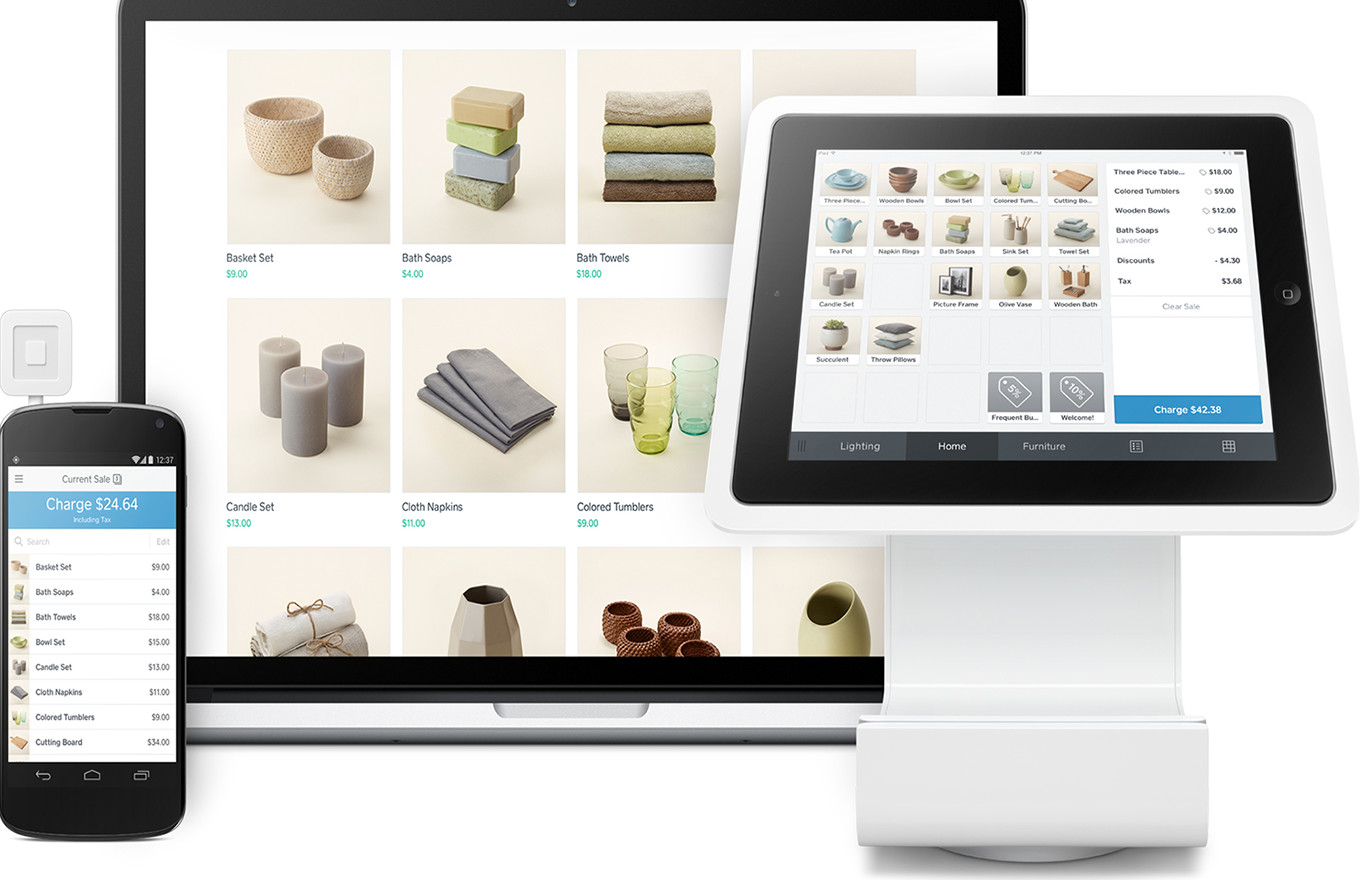
Bigger facilities will have a particular getting location where stock products are checked and arranged before being put away. Each product is designated an SKU (stock-keeping unit) code, which is participated in your inventory management system. Goods might also be tagged with barcodes or RFID (radio frequency identification) for easier tracking.
Strategic Expense Reduction Methods and Boost ROIWhether you're selling online or through a physical shop, your system needs to instantly update inventory levels whenever an item is bought (and if it's returned). All of these stages can be performed more effectively with a properly handled process circulation so that everybody knows what's expected to take place and when.

Latest Posts
Understanding Commercial Lending Rules in 2026
Understanding Essential Commercial Funding Requirements in 2026
Reducing Costs Through Automation in Modern Storefronts