All Categories
Featured
Table of Contents
Shift bidding enables representatives to reveal choices for available shift, typically based on requirements like seniority and performance. It's a fantastic way to engage teams while giving them more control over their work schedules.
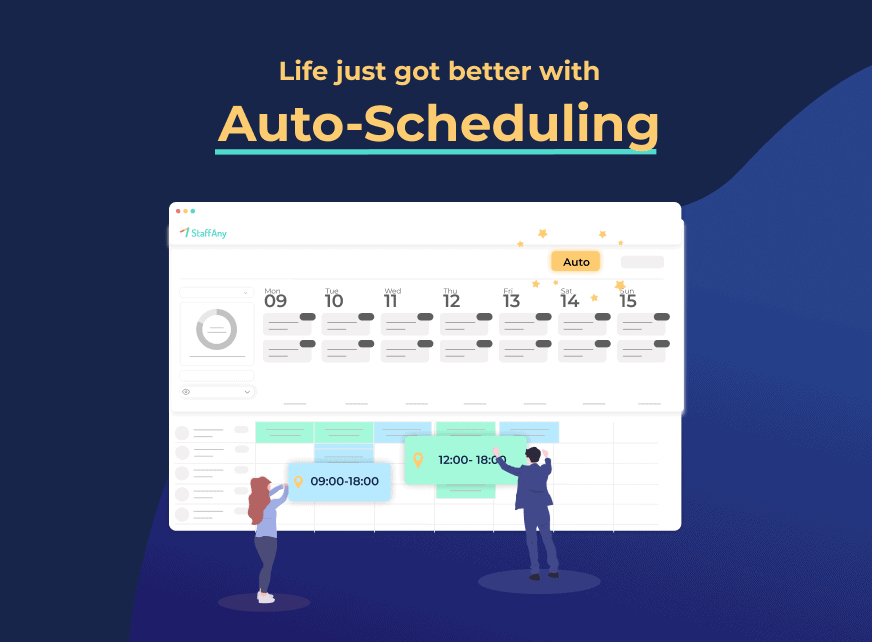
Automated scheduling uses algorithms to stabilize elements like forecast demand, labor laws, representative accessibility, labor laws, and staffing expenses. Instead of developing schedules from scratch, workforce coordinators can create optimized schedules in simply a few clicks, then fine-tune them as required. It's a powerful way to lower manual work and assistance more tactical planning.
That's why real-time alerts are a must. Whether it's a new shift project or an authorized time-off request, timely notifications help keep everyone on the exact same page. They also minimize no-shows and avoid miscommunication. As more contact centers shift to hybrid or completely remote groups, scheduling tools need to progress to support a dispersed labor force.
Transforming Storefront Operations Through AI Automation
Agents can also view and manage their schedules on the go, assisting everybody stay connected and lined up. As your organization grows, your workforce scheduling system must progress with your service requirements. Investing in the best workforce scheduling software application can enhance service levels, reduce expenses, and assist you build a more engaged labor force.
Curious how these functions would work for your group? See how Aspect's scheduling capabilities balance modern workforce demands with effortless use.
Instead of thinking the number of staff members you'll need, use genuine data to make informed scheduling decisions. Take a look at past sales reports, seasonal patterns, and consumer traffic patterns. A popular seafood dining establishment observed that their peak supper rush occurred earlier on weekends than weekdays. By adjusting the start time of evening shifts on Fridays and Saturdays, they lowered tension on the cooking area and improved service speed.
Ways to Optimize Retail Rosters for Success
Employees value having some control over their schedules, and offering flexibility can increase task fulfillment. A hotel chain permitted staff members to set their preferred shifts within a rotating schedule. This offered employees a much better work-life balance while making sure that peak demand hours were always covered. Life takes place, and schedules need backup plans.
Manual scheduling is not just lengthy but likewise vulnerable to errors. Scheduling software application like ShiftForce takes the guesswork out of labor management by instantly developing enhanced schedules based on demand, schedule, and compliance factors.
The system guaranteed that skilled personnel were constantly coupled with brand-new hires, improving client service and training efficiency. Staff members need to know their schedules in advance and have a way to rapidly access updates. Miscommunication results in disappointment and no-shows. A dining establishment supervisor switched from a printed schedule to a mobile scheduling app.
The Evolution of Sales Tax in the Digital AgeTrack overtime, ensure breaks are scheduled, and remain on top of regional labor regulations. A factory reduced unneeded overtime expenses by setting an automated alert when workers approached their weekly hour limits.
Regularly ask for input and make scheduling adjustments based on their requirements where possible. After surveying workers, they found that unforeseeable schedules were the greatest frustration.
Why Efficient Employee Scheduling Increases Store ROI
Effective worker scheduling is vital to operational success across a number of industries, such as healthcare, college, and manufacturing. After all, staffing requirements can shift rapidly, making dependability paramount. While standard scheduling approaches are prone to errors and inefficiencies, modern staff member scheduling solutions like TruPay's Employee Scheduling Software use a streamlined method that enhances shifts, ensures compliance, and saves valuable time.
A consistent method implies all managers follow the exact same actions for scheduling, making it easier to track staffing requirements, display overtime, and projection future requirements accurately. When everybody utilizes the very same scheduling design template or software, making sure compliance with labor laws and organizational policies is easier. To execute this practice, create a scheduling policy document that describes best practices, supervisor expectations, and key due dates.
It also permits HR departments to create dependable reports for analyzing patterns in staffing needs, therefore enhancing decision-making. Enabling workers to switch shifts, request time off, or work non-traditional hours when possible can lead to a much healthier work-life balance, which is crucial in markets with high turnover rates, such as healthcare.

Latest Posts
Understanding Commercial Lending Rules in 2026
Understanding Essential Commercial Funding Requirements in 2026
Reducing Costs Through Automation in Modern Storefronts