All Categories
Featured
Table of Contents
Running a small company comes with many duties, and tracking your finances is among the most important. Bookkeeping the process of recording, arranging, and managing monetary deals makes sure that you always have a clear picture of your financials. Whether you're tracking earnings and expenses, fixing up bank statements, or getting ready for tax season, excellent accounting practices lay the foundation for long-lasting success of your organization.
Why Operational Automation Is Key for Stock Control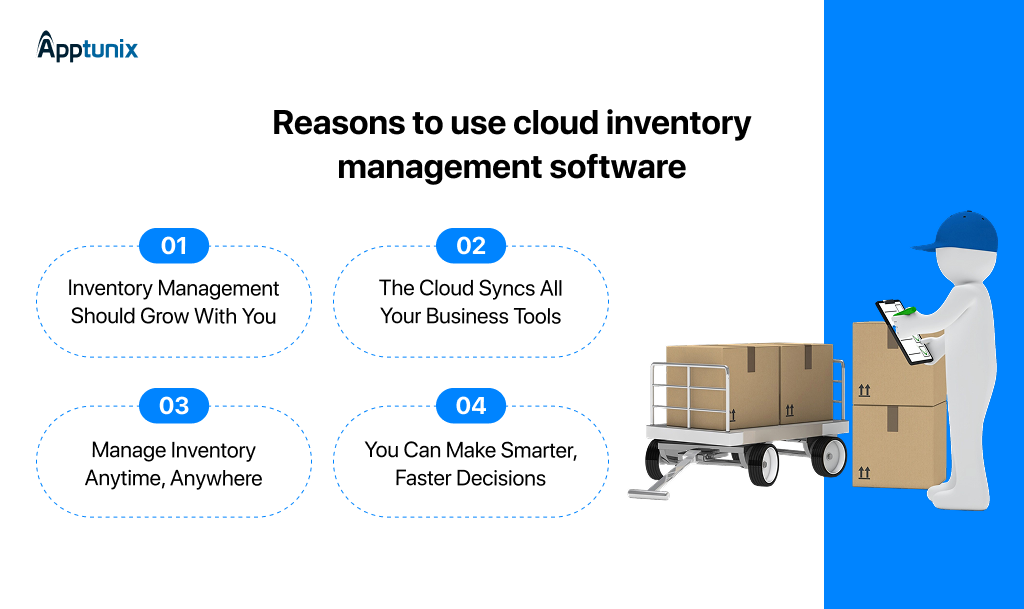
So being on top of your books is actually paramount. Precise bookkeeping isn't almost remaining organized (although company is critical in today's unpleasant world); it straight affects your ability to make informed decisions, safe financing, and stay compliant with tax policies. Without a solid accounting system, small company owners risk financial mismanagement, missed out on growth opportunities, and even potential legal troubles.
Small Retail Bookkeeping Guidelines to Drive SuccessIn this guide, we will answer the following questions: What is Small Company Accounting? Why Accounting is very important for Little BusinessesWhat are Standard Bookkeeping Jobs for Small Business Owners? How to Do Your Own Accounting as a Small Service Owner? When to hire an accountant for your service? Which Small Service Accounting mistakes should you keep an eye out for? Let's dive right in! Small service accounting is the process of recording, arranging, and maintaining financial transactions, for little companies.

(assuming, of course, that they are ecommerce brands).
Small Retail Accounting Best Practices for Growth
It shows the brand's revenues from sales of items or services and lists all its expenses by primary classifications. It lists all of the company's possessions, liabilities, and equity, allowing owners, accounting professionals, and potential financiers to quickly evaluate and comprehend what the company might be worth.
It assists services monitor liquidity and guarantee there's enough cash to cover expenses. This is more operational than the profit and loss declaration. Consists of sales tax reports (which are state level), income tax filings (both state and federal), and other tax-related documentation to maintain compliance and simplify tax preparation. Files earnings, incomes, tax withholdings, and worker advantages to make sure compliance with labor and tax laws.
Routinely updating these financial records and others to make sure that all financial deals are accounted for is at the heart of bookkeeping. At this moment, it's essential to stress the distinction between accounting and accounting. While they are carefully related, accounting and accounting serve different functions: Accounting focuses on the daily recording and company of monetary transactions; accounting, on the other hand, is the practice of reporting and analyzing monetary information.
Obviously, how you keep your books determines what those books can inform you, which is why accounting only becomes a profit-generating system when financial data is tracked and handled in the proper way. Accounting isn't just about keeping an eye on numbers; it has to do with offering clearness and direction for business owners to make informed choices that will form the future of their business.
Proven Cost Saving Tactics to Drive ROI
By preserving in-depth records, small companies can keep track of profitability, recognize spending patterns, and pinpoint locations where costs can be reduced. Without appropriate bookkeeping, it's easy to lose track of financial inflows and outflows, which can cause capital problems and financial instability. You could, for instance, have specific SKUs that are not profitable (or not as profitable as others), and you simply won't be aware of it with bad bookkeeping.
Whether it's identifying the correct time to buy new equipment, working with employees, or cutting down on unneeded expenditures, well-maintained financial records provide the insights required to prepare tactically. With dependable accounting, little service owners can examine trends, projection future earnings, and set reasonable monetary goals. Keeping organized monetary records is important for meeting tax commitments and avoiding costly charges.
Simply put, your books must be as tax prepared as possible. Furthermore, in the occasion of an audit, having efficient records can provide proof of compliance, lowering the threat of fines or legal problems. Lenders and financiers need a clear picture of a company's financial position before approving loans or financing.
Lenders often examine monetary declarations to evaluate a business's capability to pay back a loan. Without proper bookkeeping, small companies might struggle to provide a compelling case, limiting their access to important financing chances, or causing greater reliable rates of interest. Among the fundamental tasks of bookkeeping is taping all earnings and expenditures to keep a precise monetary record.

Latest Posts
Understanding Commercial Lending Rules in 2026
Understanding Essential Commercial Funding Requirements in 2026
Reducing Costs Through Automation in Modern Storefronts