All Categories
Featured
Table of Contents
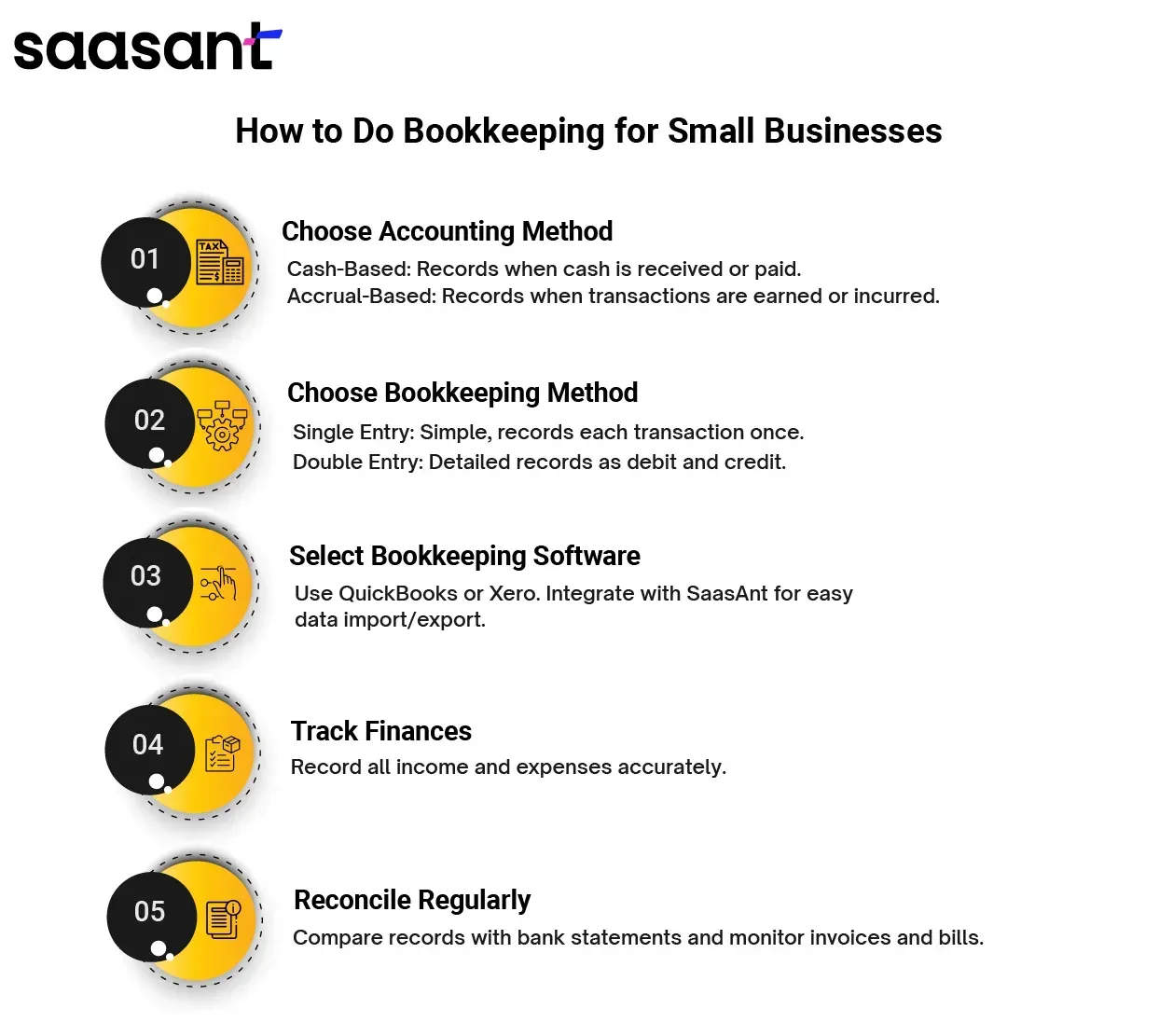
Routinely fixing up bank and credit card statements makes sure that monetary records accurately show actual deals. This procedure includes comparing bookkeeping records with bank statements to determine disparities, such as missing payments or unauthorized charges. Reconciliation assists prevent errors, find scams, and ensure that monetary reports are based upon precise information.
Little company owners must track hours worked, represent benefits, and abide by labor laws and tax regulations. Proper payroll management not only ensures staff members are paid properly and on time however also assists organizations avoid legal issues and charges related to tax withholding mistakes. Financial reports supply company owner with insights into their business's monetary health and efficiency.
Without routine financial reporting, small companies might have a hard time to comprehend their monetary position and make notified tactical choices. The initial step in handling your own accounting is establishing a structured system for recording monetary transactions. This includes establishing classifications for income and costs, organizing receipts and invoices, and preserving precise records of all organization transactions.
Small company owners should pick in between money and accrual accounting to track their financial resources. Cash-basis accounting records income when payments are received and costs when they are paid, making it simple and ideal for small companies with uncomplicated deals. In spite of its simpleness, cash-basis accounting does not supply a precise monetary photo, given that it does not account for exceptional billings or unpaid expenses.
The accrual approach, on the other hand, records earnings when a sale is made (even if payment hasn't been gotten) and costs when they are incurred (despite when they are paid), supplying a more precise long-lasting monetary image. However, it needs more bookkeeping effort and might result in capital concerns if not closely kept an eye on.
Efficient Staff Scheduling Tactics for Peak Productivity10 Accounting Tips for Modern SME Businesses
Accounting software, such as Finaloop, automates many bookkeeping tasks, minimizes mistakes, and produces financial reports with ease. Brand name owners must weigh elements like business size, deal volume, and the need for automation when choosing in between spreadsheets and dedicated accounting software application. Cloud-based bookkeeping options enable company owners to automate financial jobs such as deal classification, invoicing, and bank reconciliations.
Cloud accounting also supplies current financial data, making it easier to track company efficiency in real-time and cut out the need for accountants. While DIY bookkeeping works well for numerous small company owners, there comes a time when contracting out may be more helpful. If accounting tasks end up being too intricate, take in excessive time, or lead to frequent errors, working with a professional bookkeeper (or utilizing software specifically customized towards your organization, like Finaloop) can assist.
Outsourcing bookkeeping allows company owner to concentrate on core operations while making sure financial records stay accurate and compliant. When trying to figure out which accounting software is best for small businesses in 2025, it is necessary to get out of the box and look for little company accounting software application besides quickbooks.
Improved Workforce Scheduling for SME Owners
Unlike the other options, Finaloop stands apart as both accounting software and an accounting service. It uses an ecommerce-dedicated inventory management service developed into accounting software application, a prebuilt ecommerce-focused chart of accounts, accounts receivable and payable management, automated transactions classification, automated reconciliation, and tax prepared books. The platform flawlessly integrates with online store platforms like Shopify or Woocommerce and markets like Amazon and Walmart.
Streamlining Operations for Ensure SustainabilityFinaloop integrates with your payment processors, savings account, and online stores for three-way reconciliation orders to payments to organization savings account and provides accrual versus cash-basis versatility. Additionally, it supplies a team of internal accountants and 24/7 client support. Finaloop's mix of automation and expert bookkeeping services makes it a time-saving and affordable alternative for company owner who want accurate, hassle-free monetary management.
It supplies multi-currency support, inventory management, and automated deal matching, links to all significant accounts, and tracks charges, taxes, and profits across sales channels to allow historical reports and forecasting. QuickBooks is software-only and not a service, implying users should have some bookkeeping knowledge to get the most out of it (or employ an accountant).
The platform also has a steep learning curve for beginners, and its chart of accounts is not optimized for ecommerce accounting. Xero stands apart with over 800 integrations with third-party applications. The platform uses inventory management, double-entry accounting, bank reconciliation, expense tracking with classification guidelines, a billings and quotes generator, and a personalized control panel.
A Detailed Manual to 2026 SME Loan Eligibility
It likewise provides a hassle-free feature for sending out quotes, recurring invoices, and pointers. Reports are easy to see and personalize, making it an excellent option for mid to large-size businesses. Like QuickBooks, Xero is accounting software application just, requiring do it yourself accounting by you or an accountant. App integrations cost an extra cost depending upon the platform included.

Latest Posts
Understanding Commercial Lending Rules in 2026
Understanding Essential Commercial Funding Requirements in 2026
Reducing Costs Through Automation in Modern Storefronts